In this ad-hoc column published by Art Industry Insights with Reena Devi, arts journalist and editor Reena Devi responds to news headlines with incisive analysis on our art and global systems.
The column below is non-commissioned (unpaid) so if you believe in independent journalism that dares to speak from the margins, please support the work.

If you are working in the arts today, you are part of an unprecedented crisis due in part to a globally weakening labour market.
A slew of multinational companies, including tech conglomerates IBM, Meta, and Amazon, have announced massive job cuts due to increasing use of generative AI and agents, as of 7 November 2025.
While reasons may vary, the art world has also been experiencing labour shrinkage these few years with galleries, auction houses, media, and museum layoffs worldwide.
Most of us know at least one industry peer who has been retrenched this year.
Yet, long before the global art market teetered and AI grew pervasive, any kind of work carried out in the field of the arts has been largely underestimated, under appreciated, and many times, unpaid.
The Perfect Crime Of Erasing Labour

“The history of art is a history of the erasure of labour,” observed Julien Posture, illustrator and social anthropology researcher at the University of Cambridge.
Posture stated: “Creativity, we’ve been taught, is its own reward.”
“We can see the traces of this idea in many places: the taboo that surrounds talking about money in art schools, the persistence of unpaid design internships, and the regular propositions to pitch for free,” he added.
Creatives have long been struggling to conceive of their work as labour, historically cast as unproductive members of society. Now, with the advent of AI, defined notions of cultural work and its related boundaries have become extremely blurred.
Posture detailed the “alternative” pathways the creative industry has come up with for remunerating workers.
For example, a client or manager, who is fully aware that work conditions or pay for a particular job are not up to par – they are likely to endlessly iterate the work commissioned will make “a great portfolio piece.”
When Creative Fire Burns Out
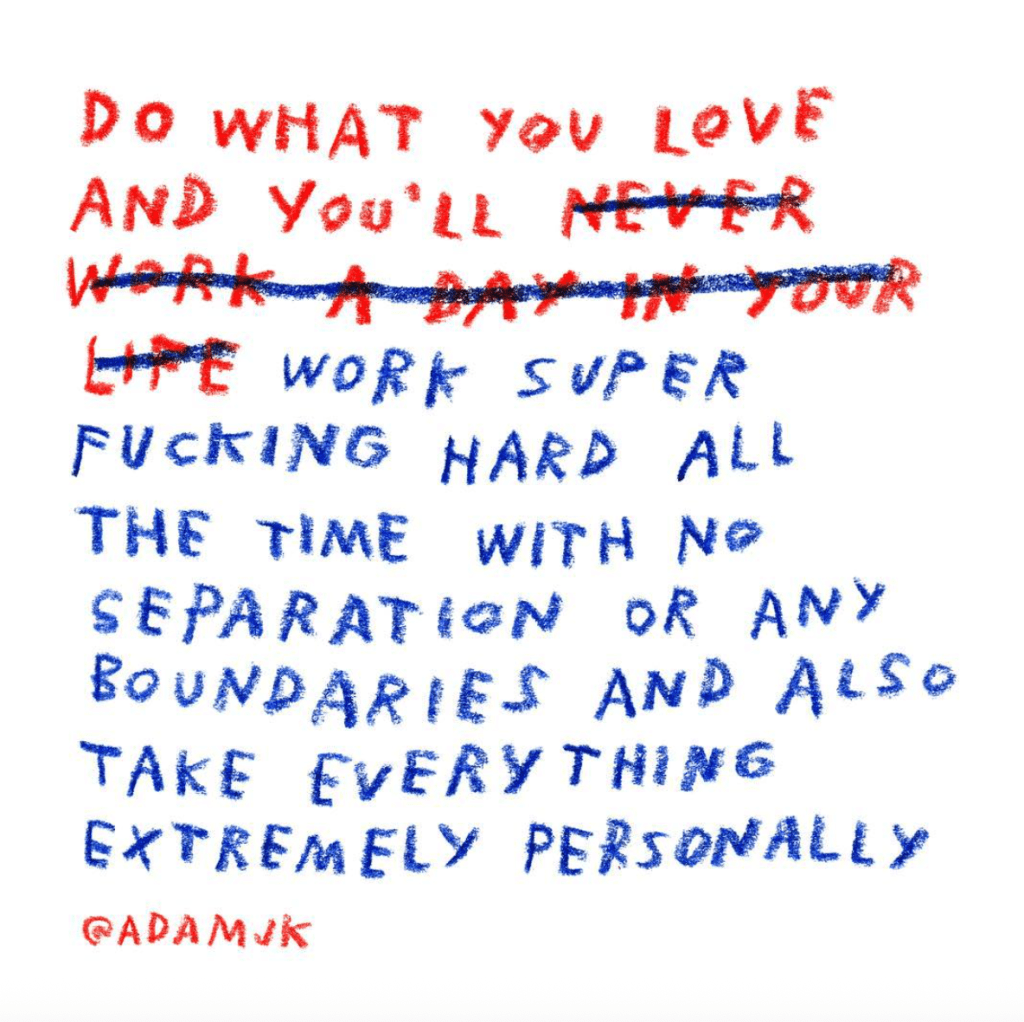
Like Posture pointed out, doing what we love without fair compensation and healthy work conditions has adverse effects.
It leads to alienation, blurred personal-professional boundaries, and consistently justifying sacrifices that make the arts worker feel impotent.
That is ironic given the fire we are meant to possess and exude in our creative labour, even in its most administrative aspects.
Speaking of fire, “burnout” is becoming exigent amongst those working in the creative sector.
According to survey findings by nonprofit organization Museums Moving Forward published this October, 17 percent of arts workers within US museums said they were “suffering” (as opposed to “thriving” or “surviving”).
This is especially high when compared with only 4 percent of the national average expressing similar sentiments in a Gallup poll. This is likely exacerbating widespread mental health issues.
The Myth Of ‘Career’ In Creative Work
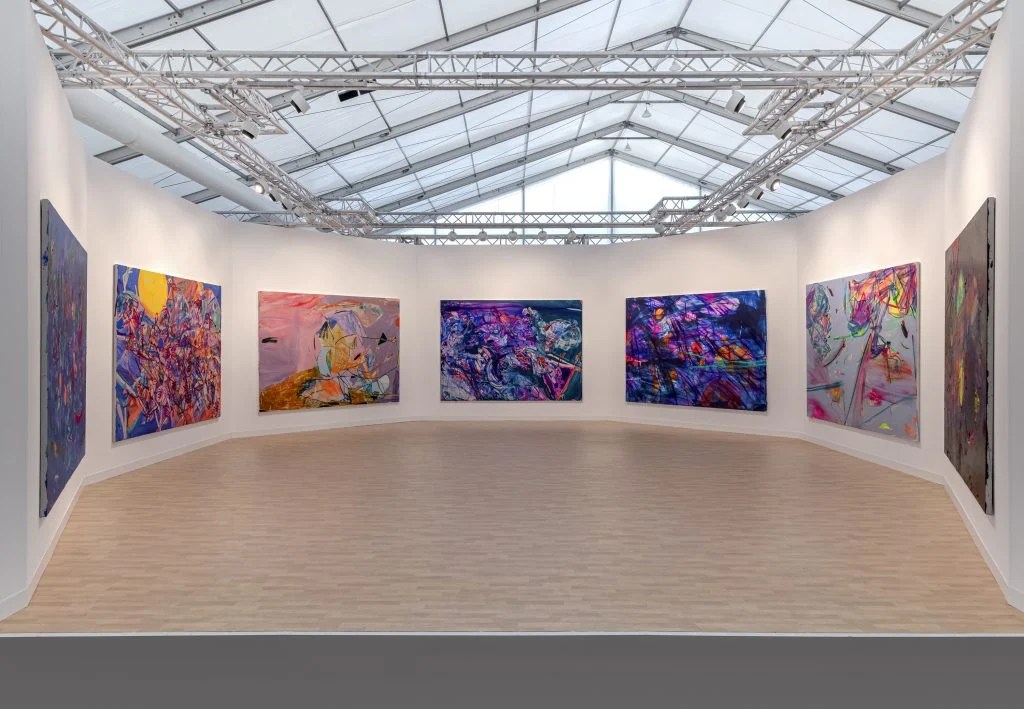
A possible reason for burnout amongst arts workers is the concept of “career” as described in Harrison and Cynthia C. White’s ‘Canvases and Careers: Institutional Change in the French Painting World’ (1965).
The Whites defined “career” as both the internal development of the artistic practice as well as its recognition in the public sphere of the art world. The most advanced art are given prominent placements and the highest price tags. Sound familiar?
The global economy may have shied away from defining cultural output as labour. However, “career” has become the singular focus of rapid ascension in today’s financialised art world.
Its most visible consequence – the past decade saw young artists peaking too early in their “careers” and facing instability.
Nonetheless, the notion of “career” would not be as vastly limiting as it has been for arts workers without forces of discrimination.
Power, Privilege, and Pay Disparity

Discriminatory tactics, such as wage disparity across gender, race, and nationality in different parts of the world, have always loomed large.
Worse, they been heavily manipulated and taken advantage of by those with power and privilege in the art world for decades now.
Back in 2012, a survey conducted by Middle East magazine Gulf Business found that Western expats working in the Middle East earn more money than Asian or Arab peers.
Responding to the survey, Joshua Yim, CEO of Singapore-based recruitment firm Achieve Group, said: “I believe this phenomenon stems from a historical perception that has roots tracing back to colonial times.”
“…(Western expats) are also perceived as more advanced and savvy due to their cultural background, history of technological innovations and out-of-the-box thinking,” he added.
Over the years, industry insiders have consistently confirmed that such a blinkered perception does exist.
It even defines their reality of working in the arts as highly educated, innovative, worldly, dedicated creatives who are born, raised, and living in different parts of Asia and the Middle East, till today.
Such biased views also effectively guarantee a hotbed of hyper-competitiveness in highly ambitious cities across specific regions.
The Truth About Aspiring Art Capitals
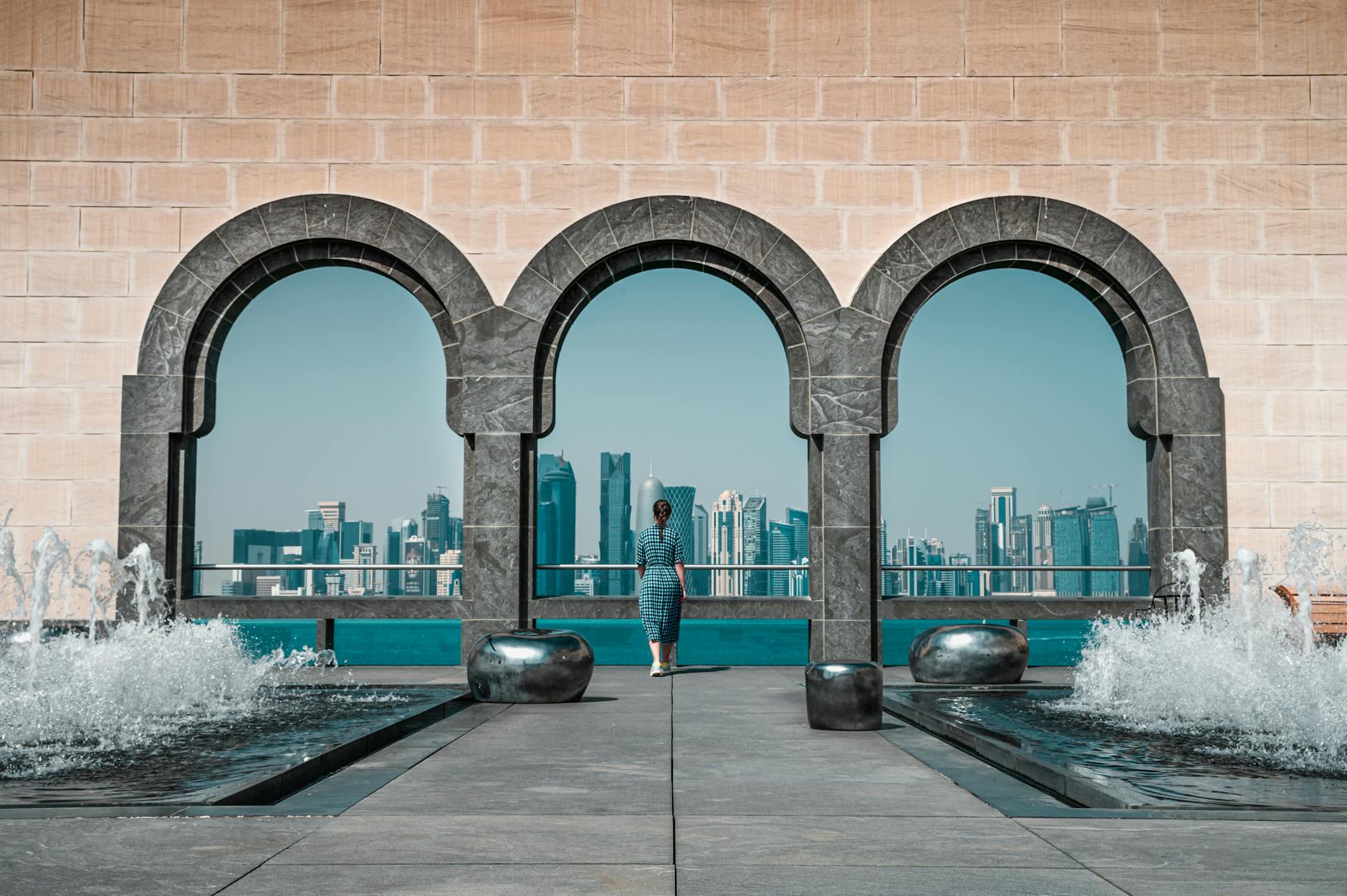
When aspiring art capitals such as Doha announce the launch of its own quadrennial and mega art fair in the same year, ambitions and hype are lofty and immense.
This leads to intense pressure on the workforce to make the scene dynamic – from artists and curators putting on shows, to writers covering the events, to droves of arts workers carrying out crucial yet largely invisible functions of communications, fundraising, programming, and more.
According to industry sources across cities like Singapore, Dubai, and Seoul, this heady mix of ambition, pressure, and hyper competitiveness tends to catalyse a systemic culture of antipathy and anxiety.
Individual arts workers constantly perceive their very livelihood being endangered by anyone with a slight advantage over them. These are the seeds of individual burnout, high turnover, and organisational inertia.
Ultimately, the systemic culture of creative labour centers “career” ascension, antipathy, anxiety, hyper competitiveness, and burnout. All while deprioritising financial compensation.
This is particularly acute in cities across the world with lofty cultural agendas and social inequality.
So, what does this mean for those of us who work in the arts today? How do we move forward in an equitable and embodied manner?
Especially since we have barely begun to comprehend the impact of AI on our work.
When We Change The Script
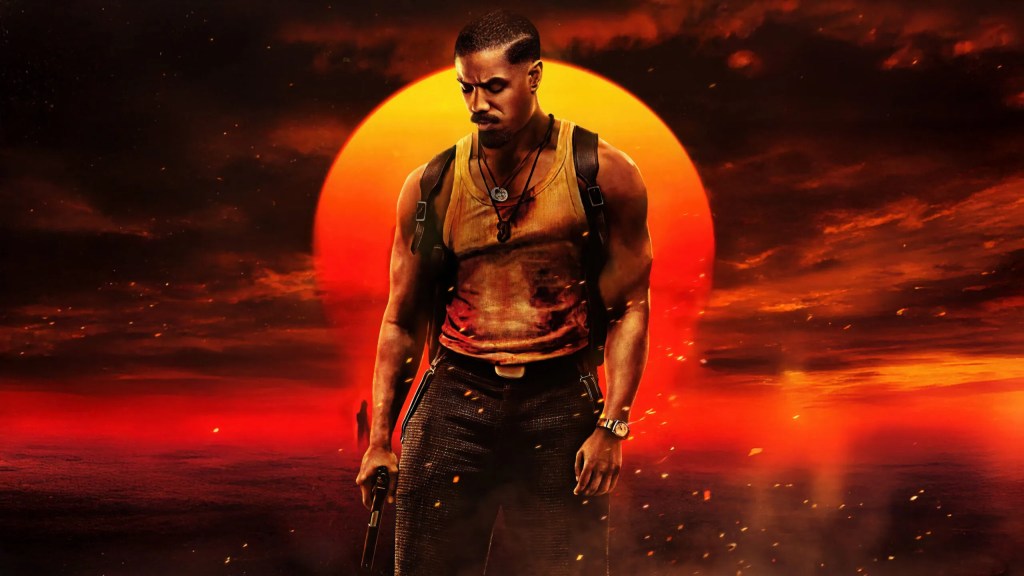
For possible answers, we need to look at acclaimed African-American filmmaker Ryan Coogler’s deal with Warner Bros. Discovery for his blockbuster hit movie ‘Sinners’ (2025).
Following a bidding war in the winter of 2023, the Hollywood studio sealed the deal because they granted Coogler’s unconventional request – 25 years after its release, ownership of ‘Sinners’ would revert to the director.
This kind of arrangement is typically reserved for the likes of Quentin Tarantino and considered “exceedingly rare” at a time when a studio’s library could make or break their future sale.
But Coogler’s deal, while raising furore about disrupting the studio system, presents an intriguing way forward for most of us who strive in cultural production.
Prioritising the creative and their work over the system should be the endgame. Not a byproduct.
After all, systems come and go, but if there is real fire in it, art can last a long time.
This will not be an easy or singular path to pave. But perhaps, we should also learn to welcome friction, instead of fearing it and consistently opting for status quo.
We may live in a world where technology endeavours to make our existence frictionless but friction is our “most valuable commodity.”
It is intelligence we are organically receiving from our lived environment. Most importantly, friction is the catalyst for new systems, which we desperately need right now.
Stay tuned for more from The News Desk.
This column is non-commissioned (unpaid) so if you believe in independent journalism that dares to speak from the margins, please support the work.
 Art Industry Insights With Reena Devi