Signals From A Multipolar Art World is an ongoing series of profile interviews published by Art Industry Insights with Reena Devi.
Arts journalist and editor Reena Devi goes behind the curtain with arts practitioners and leaders from diverse art scenes, shining a spotlight on the alchemical nature of creative labour.
The interview below is non-commissioned (unpaid).
For exclusive updates on Art Industry Insights With Reena Devi, you can become a one-time or regular supporter. You can also follow the independent media on Substack or Instagram.
Commissions, tips, and leads are more than welcome.
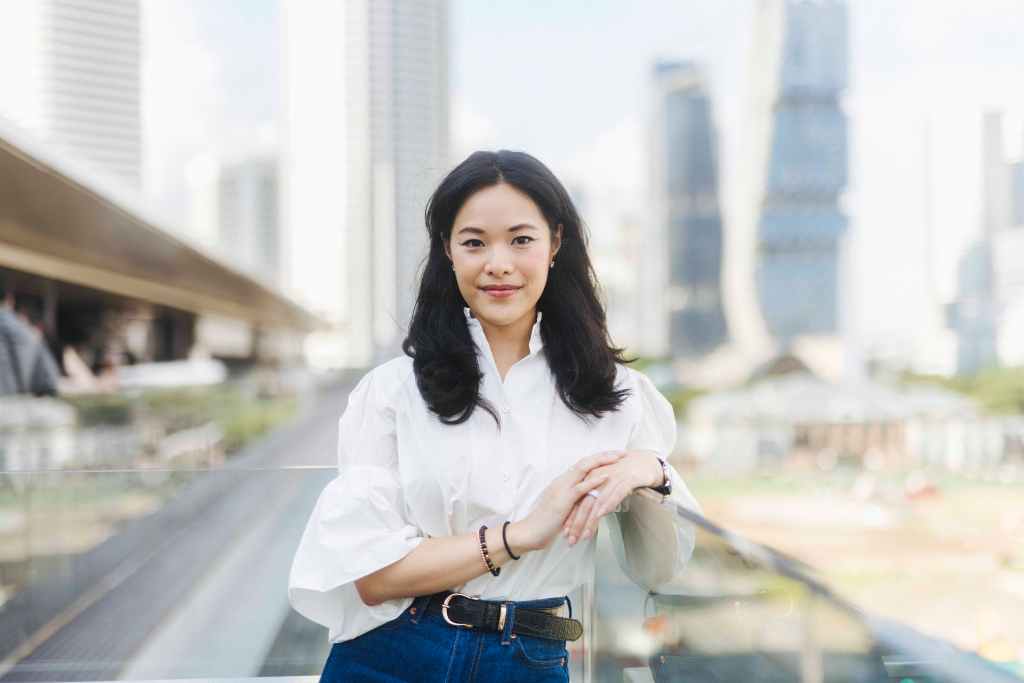
Next year, one of Asia’s oldest independent art spaces, will be celebrating its 30th anniversary, an age that is near-mythic for a nonprofit in these financially constrained, culturally commodified times.
Yet Junni Chen, currently Interim Executive Director at Para Site, located in a two-storey space in Quarry Bay, Hong Kong, approaches the institution’s future with a strong sense of its DNA being rooted in change.
“We were founded in 1996, in the shadow of the British handover,” she says.
Can The Past Outlast The Future?
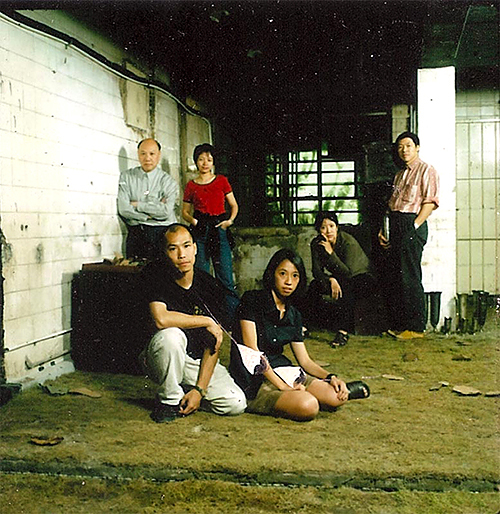
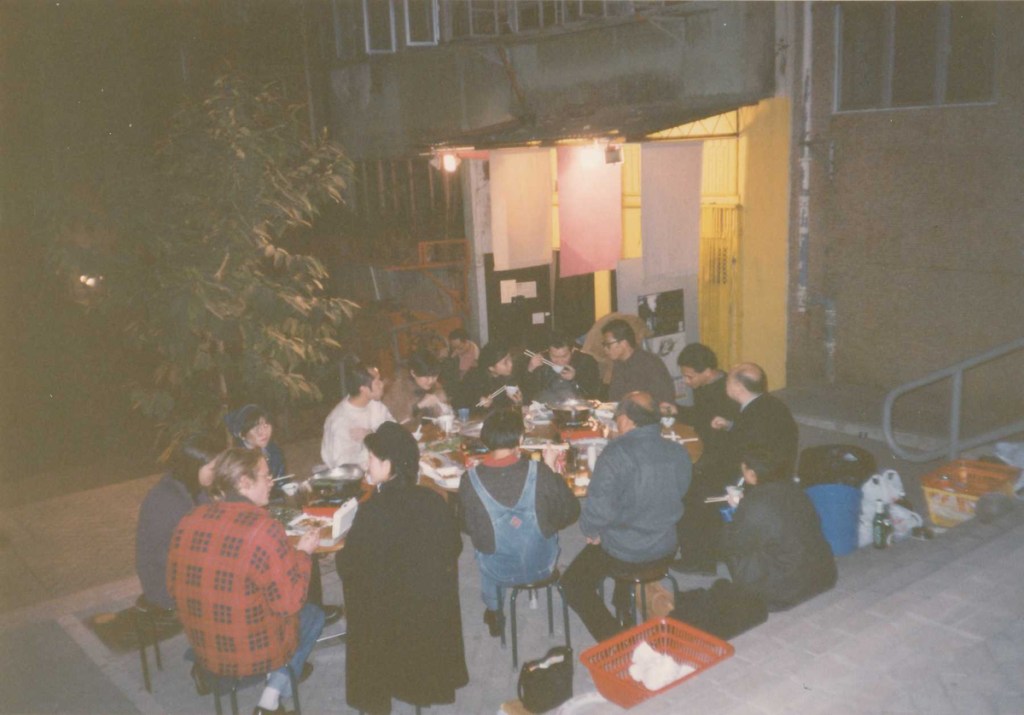
Established by seven homegrown artists Lisa Cheung, Patrick Lee, Leung Chi-wo, Phoebe Man Ching-ying, Sara Wong Chi-hang, Leung Mee-ping and Tsang Tak-ping, the independent art space became a go-to for experimentation and community amongst artists whose practices did not fit the dominant, palatable modes of painting and sculptures in the 90s. These included time-based or participatory-based installations.
Responding to Art Industry Insights With Reena Devi via email, Chen says, “What has kept Para Site alive is its flexibility and artist-led focus.”
In the 1990s, when art publications devoted to criticism was sparse, the organisation launched its bilingual PS Magazine. During its more recent history, Para Site has doubled down on commissioning experimental practices that larger institutions tend to shy away from.
“Throughout the years, we have actively looked at new challenges facing artists and the art industry, aiming to create new platforms to fill in gaps,” Chen notes.
“We look at where we can create value and that has made us an integral part of the artistic landscape in Asia Pacific and beyond for a long, long time,” she adds.
However, creating value in 2025 is not easy, following a decade of financialised art, political turmoil, NFT hype, and pandemic lockdowns. This is especially so in a city constantly on the brink.
An Art Capital In Turmoil
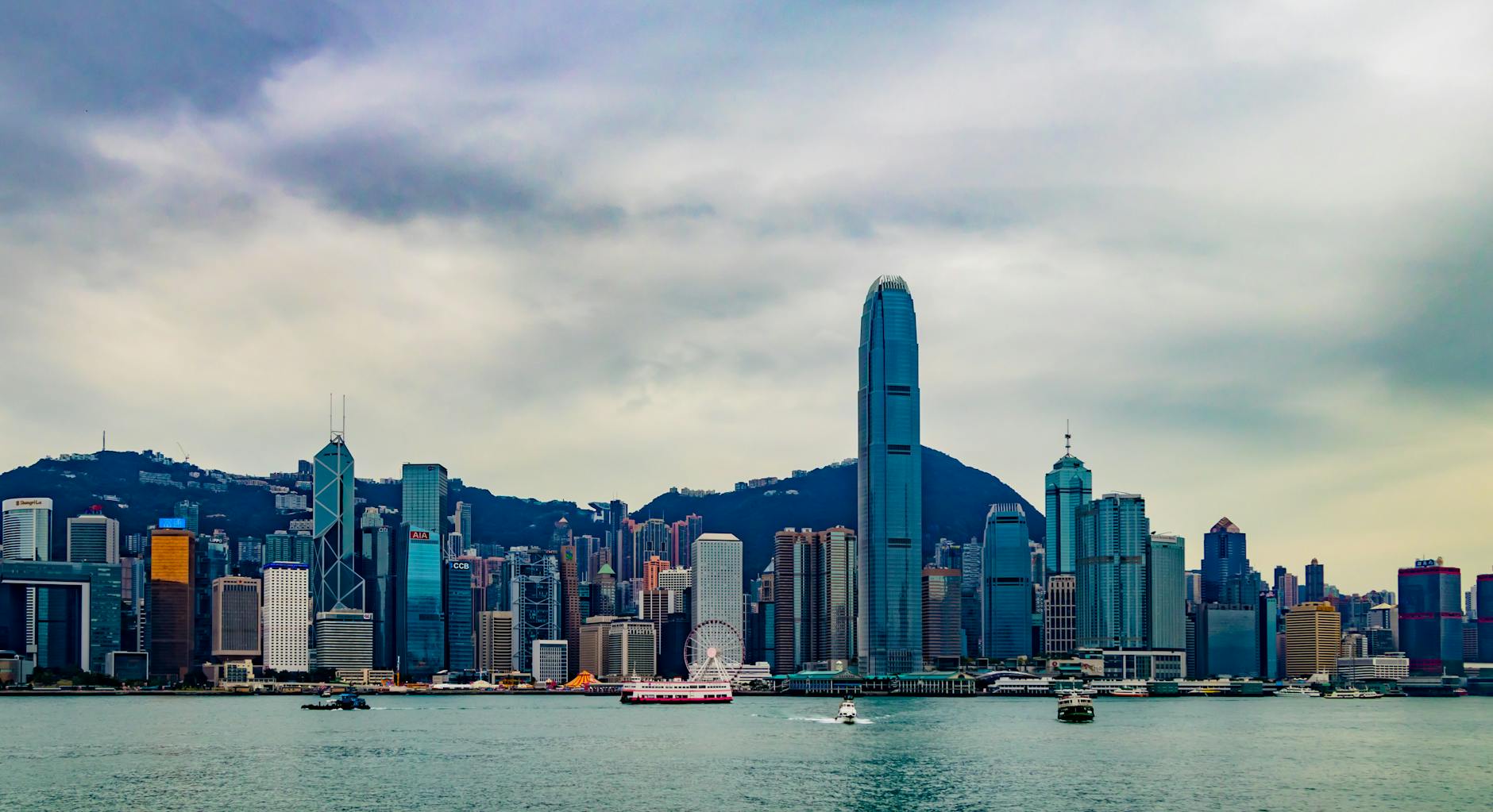
“I wouldn’t characterise Hong Kong’s art scene as being in a precarious place, although it certainly is – like in many other industries – a time of transition. Our industry changes reflects broader shifts in geopolitics and economics,” Chen explains.
Hong Kong, long defined by its position at the cultural crossroads between East and West, is battling unfavourable financial crosswinds even its most prosperous magnates are buckling under.
Through 2024 and 2025, from Perrotin to Pace to Lévy Gorvy Dayan, international mega galleries have closed their spaces in Hong Kong. Not to mention the waves of layoffs that besieged the local auction and art market.
Since this summer, mainstay cultural institutions like Tai Kwun and Asia Art Archive, have been experiencing leadership shakeups.
In fact, Chen took over the leadership mantle at Para Site after former Executive Director, Billy Tang, stepped down from his role at the end of his contract in June 2025.
To Thrive or Survive In A New Frontier?
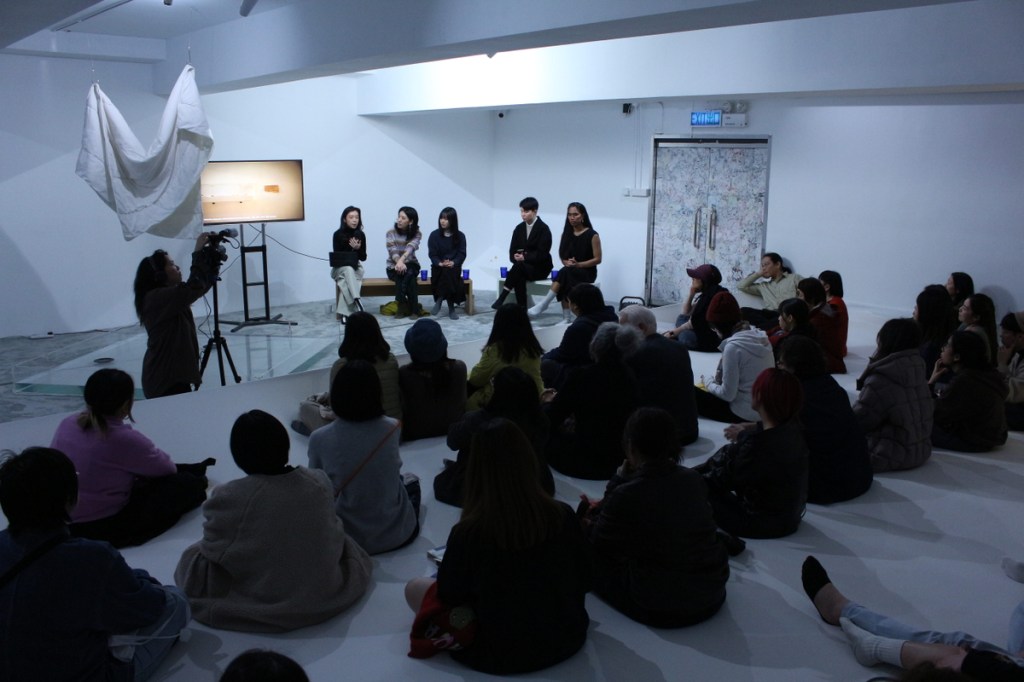
According to Para Site’s new interim executive director, “Recent changes have reminded us that we constantly need to be proactive in cultivating new audiences.”
One of the key observations Chen shared with Art Industry Insights With Reena Devi is that the audience profile many galleries and nonprofits rely on is changing and this needs to be acknowledged urgently.
“Younger audiences, with much more international tastes, are emerging. These new audiences also value experience above commodity,” she says.
For Chen, leading Para Site at a time like this means encouraging the institution to be bolder in its programming choices, to pay attention to audience accessibility, and to keep thinking about what it means to be a platform for artists.
“We’re re-looking our digital communications strategies, thinking about how we welcome audiences to our space, and pursuing our mission of delivering strong exhibitions with resonant curatorial concepts,” she says.
“And, as ever, keeping artistic voices at the center of everything we do,” she adds.
The Curator Behind The Leader
Back in September 2024, Chen was appointed Deputy Director at Para Site, after living and working in New York for eight years as Director of Tina Kim Gallery, and completing her Masters in Art History at the Center of Curatorial Studies at Bard College.
However, her very first foray into contemporary art began in Asia – during her undergraduate studies at the National University of Singapore (NUS), she did her first internship at NUS Museum.
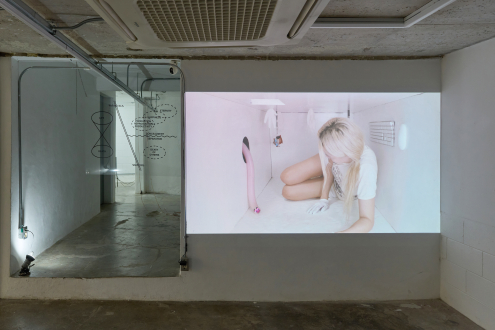
More recently, she co-curated an intriguing and timely exhibition ‘Artificial Elegance’, at a prominent Seoul art gallery White Noise, with Jungmin Cho, founder of White Noise.
The exhibition featured moving image, installation, and mixed media works by Jen Liu, Sylbee Kim, Haena Yoo, as well as artist duo lololol comprising Xia Lin and Sheryl Cheung.
Their works explored increasingly widespread feminized labour, such as irregular working hours, emotional labor, and microworking, amidst collective movements like 4B.
While Chen declined to expand on the group show for this interview since it was more of a personal project, ‘Artificial Elegance’ offers a glimpse of her own curatorial sensibilities, and how they resonate with today’s global multipolarity.
Navigating A Fragmented Art World
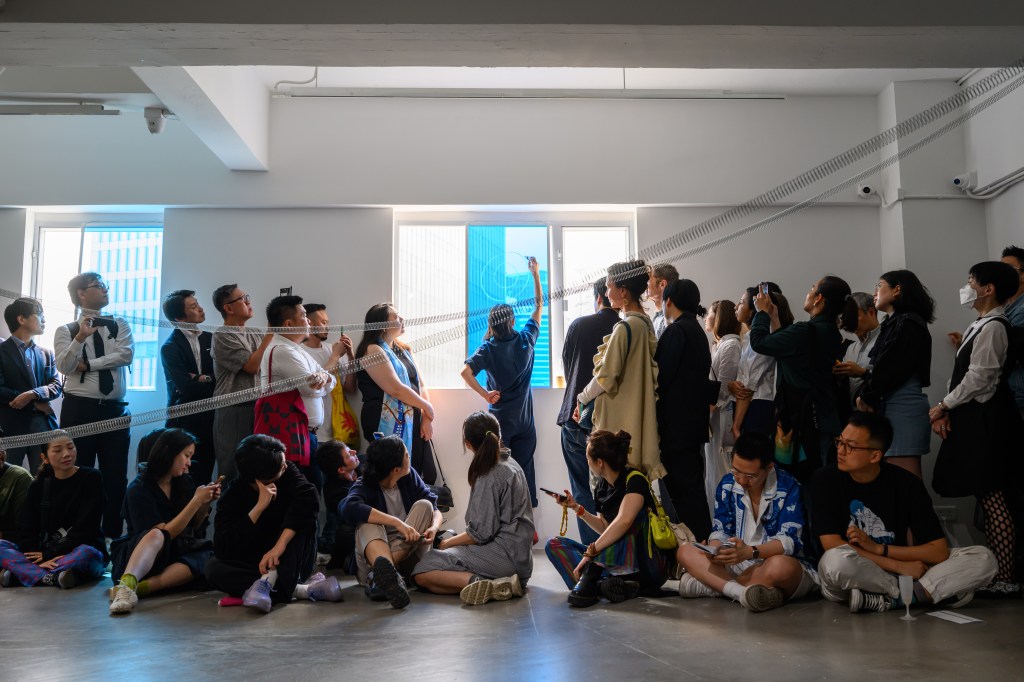
“The art scene in Asia is actually more active, now more so than ever,” Chen observes.
A decade ago, there would be no Shanghai Art Week, Art Collaboration Kyoto, and two galas (Asia Art Archive and Para Site) all happening in the same month, according to the director.
In fact, as new cultural centers rise in the Gulf, Central Asia, East Asia, Southeast Asia, and beyond, Chen sees that complexity as an invitation rather than competition.
Para Site’s residency programmes are her answer: connecting Hong Kong to international ecosystems, including recent partnerships with MOCA Toronto and new exchanges with UK institutions.
“Multipolarity (often perceived) as a widening gulf between East and West,” she notes, “is something that we try to address by creating more opportunities for artists to learn from each other, have more international experience, and gain more exposure to different artistic ecosystems and discourses.”
The Muted Hums Of The Future
When asked about her long-term vision, Chen returns to a principle that seems to anchor everything she says: enabling what does not yet exist.
As an independent nonprofit aiming to support younger artists at earlier stages in their career, she wants Para Site to continue being a champion of original developments in contemporary art.
“We have developed a strong reputation for giving milestone opportunities to a myriad of artists and curators, many of whom go on to develop significant paths in contemporary art,” Chen adds.
To that end, Para Site will be launching ‘Muted Hums’, a group show curated by Celia Ho, on 13 December.
The exhibition features nine international and Asian artists, including new commissions and recent works by Catalina Africa, Özlem Altın, Lêna Bùi, Oscar Chan Yik Long, Saodat Ismailova, Ling Pui Sze, Man Mei To, Christina Quarles, and Aycoobo-Wilson Rodríguez.
Spanning a wide variety of media, including paintings, sculptures, video, and site-specific works, ‘Muted Hums’ invites the audience to engage with a deeper awareness of the multifaceted dimensions of human existence.
The exhibition delves into the silent gestures of our consciousness and how they reveal fragmented truths we carry within our bodies, inherited from those who came before us.
“We want to always remain an institution that enables new works, initiatives, and ideas to come into being,” Chen says.
Stay tuned for more in the interview series.
For exclusive updates on Art Industry Insights With Reena Devi, you can become a one-time or regular supporter.
You can also follow the independent media on Substack or Instagram. Commissions, tips, and leads are more than welcome.
This profile interview is non-commissioned (unpaid).
Future interviews in the series may be commissioned (paid) and will be disclosed accordingly. They will not include the Buy Me A Coffee link.


