In this column published by Art Industry Insights with Reena Devi, arts journalist and editor Reena Devi responds to news headlines with incisive analysis on our art and global systems.
For exclusive updates on Art Industry Insights With Reena Devi, you can become a one-time or regular supporter.
You can also follow the independent media on Substack or Instagram. Commissions, tips, and leads are more than welcome.
The piece below is non-commissioned (unpaid) so please support the work.
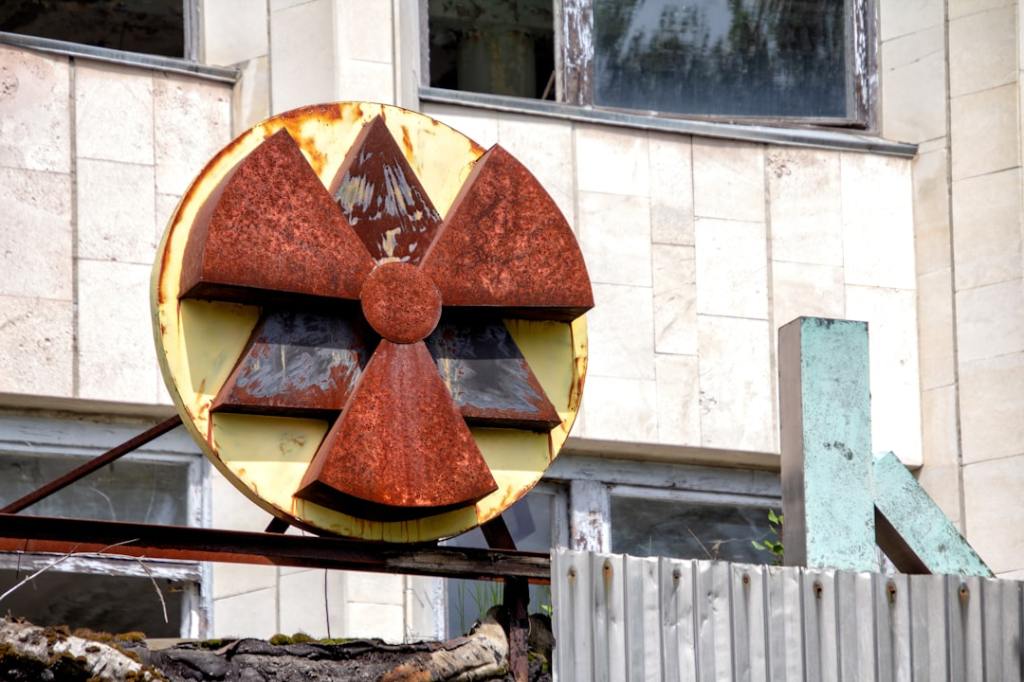
Following nuclear weapons testing in 1945, atmospheric radiation contaminated new steel production worldwide. For decades, scientists requiring radiation-free metal for sensitive instruments, had to salvage “low-background steel” from pre-war shipwrecks.
More recently, former Cloudflare executive John Graham-Cumming observed a parallel between steel affected by radiation and AI-generated material increasingly “contaminating” human-created content.
However, there is also a parallel with the kind of individuals we are becoming in this day and age. Our inherent voices, ideas, and instincts are increasingly “contaminated” by the social dictates of prestige systems, high profile individuals, and aesthetics.
These social dictates are “mainlined” to our worst impulses, with the help of algorithms and media ecosystems, creating an atmosphere of cult-like movements that are truly ailing us globally.
Latest Trend: Outsourcing Yourself
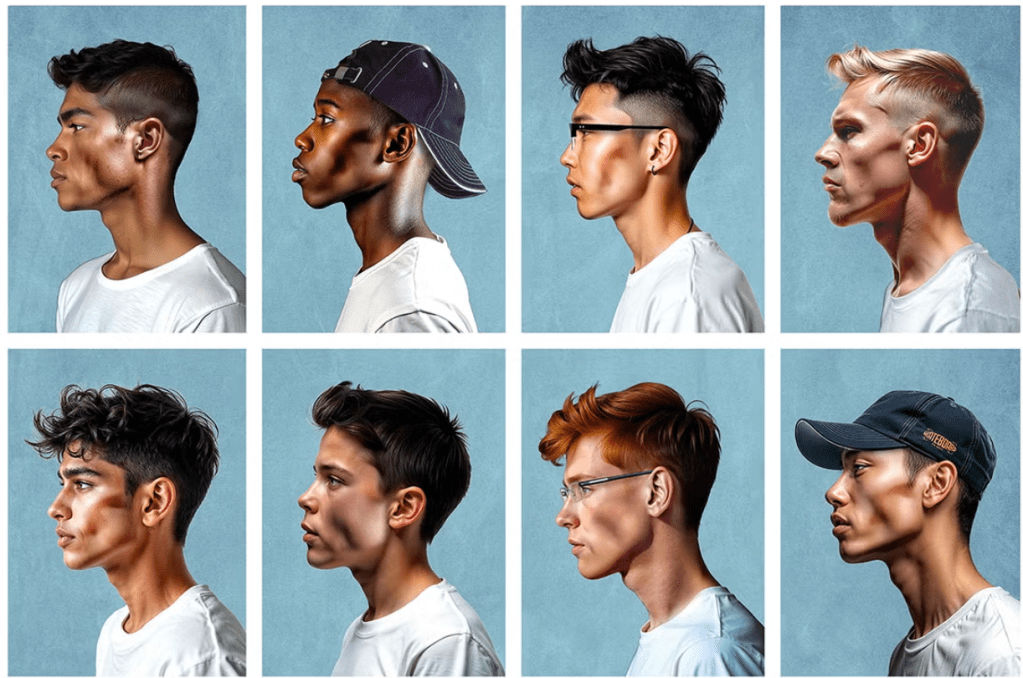
During periods of volatility, it is all too easy to outsource your sense of identity, purpose, and beliefs to aesthetics, high profile individuals, movements, and crucially, prestige systems.
It is becoming highly prevalent across the world – from the manosphere to looksmaxxing to MAGA to billionaire tech CEOs with their rabid following via social media, podcasts, and online forums.
Such movements and online cultures involve deep social conditioning and deprioritising one’s sense of self in times of doubt and uncertainty.
They also have real world ramifications.
When biohacking tech bro Bryan Johnson and looksmaxxing influencer Braden Peters made their runway debut at Paris Fashion Week and New York Fashion Week earlier this year, it highlighted the congruency between cultural prestige systems and these cult-like movements.
Did The Art World Accidentally Become A Cult?
In the art world, most of us consistently associate proximity to elite cultural networks and institutions as proof of wisdom itself. This is observable across arts scenes in Singapore, Jakarta, Hong Kong, Dubai, Berlin, London, and more.
We unconsciously presume someone’s position in the art world hierarchy – exhibiting in a prestigious biennale, curating at a major museum, working at a leading art fair, speaking on panels in London and Berlin, associating with VVIP in the Gulf and Europe – automatically make them experts.
Not just experts on art or its related fields, but on life itself. We adapt their expertise, actions, and choices as social dictates for our individual trajectories, both professional and personal.
In doing so, we are prioritising integrating into the global art industrial machinery above our sense of self. This pattern plays out in local and regional cultural prestige systems as well.
The Grift of Aspiration & Access
Producer of ‘Inside the Manosphere’, Louis Theroux, describes the hotbed of toxic masculinity as a “large-scale grift”.
Essentially, a masculine counterpart to female-focused online wellness culture, “with influencers peddling an aspirational image and with it, products and services.” In many cases, misogyny, racism, homophobia or antisemitism are used mainly as engines for attention and profit.
Yet, doesn’t the monetisation of exclusivity, insider language, and social access sound familiar? The art world operates an unsurprisingly similar economy of aspiration.
Its elite circuits sustain their own mythology of exclusivity through an endless carousel of VIP previews, invitation-only dinners, biennales, and art fairs across the globe. Access is the product.
So much so, in February this year, the Financial Times ran a piece titled: ‘No queueing please! How to keep art world VIPs happy.’
Accompanied by a cover image of Gwyneth Paltrow, founder of Goop and the face of aspirational wellness culture, the article advised, “fairs need to strike a balance between offering a buzzy affair and a pleasant experience to satisfy these collectors.”
When Reality Is Being Curated
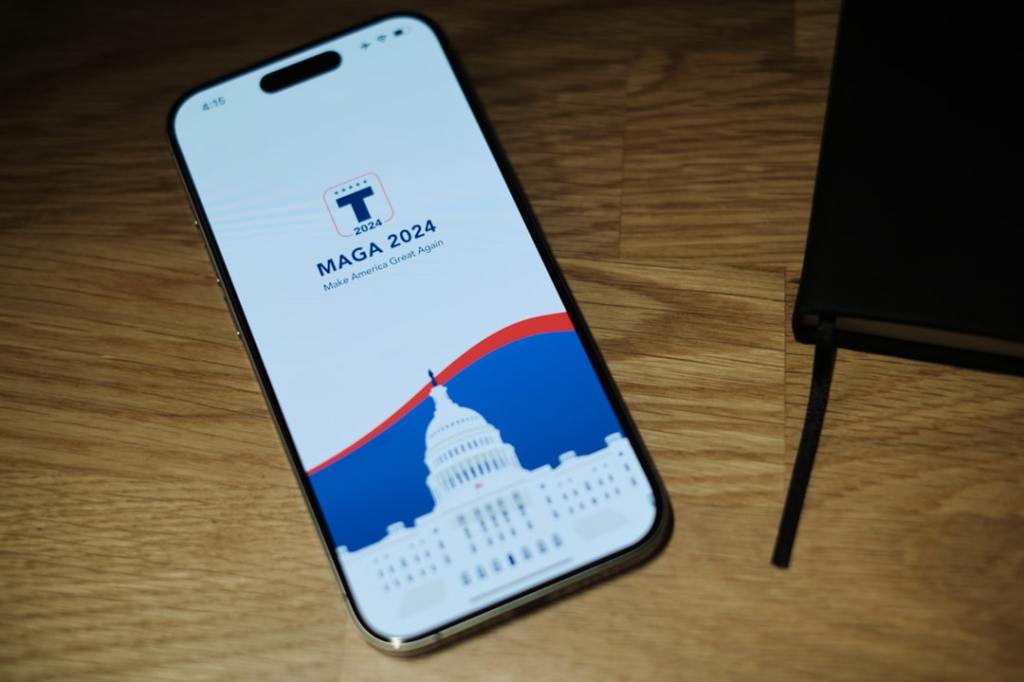
Clearly, what links these worlds is not simply influence, but managed narratives. Former MAGA influencer Ashley St. Clair asserts that the real onus is on those who are paying social media influencers up to thousands of dollars to shape narratives.
Paid campaigns, social pressure, and the desire “to be in the club and not be ostracized” shape what becomes culturally dominant. Such tactics are hardly unique to politics. They are deeply embedded across PR, media, and creative industries, including the art world.
It is most heavily employed in overhyped art capitals, with adverse consequences during crises.
For example, influencers used to get paid to visit United Arab Emirates to “post pictures of themselves on social media enjoying Dubai.” Now, due to crackdowns, the perception is “nobody there is allowed to post anything otherwise they get arrested.”
Ultimately, instead of an open cultural sphere, we have ended up with a heavily curated system of amplification: attention flowing toward those already closest to wealth, prestige, and power.
Turns out, the source point for our ongoing contamination of self could very well be the ecosystem of individuals, institutions, and companies orbiting power and wealth in an era of in-your-face oligarchic populism.
Stay tuned for more from The News Desk.
For exclusive updates on Art Industry Insights With Reena Devi, you can become a one-time or regular supporter.
You can also follow the independent media on Substack or Instagram. Commissions, tips, and leads are more than welcome.
This article is non-commissioned (unpaid). Future pieces for the column may be commissioned (paid) and will be disclosed accordingly. They will not include a Buy Me A Coffee link.


